An open platform for translational neuromodulation research
Implantable pulse generator, stimulation and recording leads, digital sensors, wireless charger, and control software. All open source.
Reduce time and cost to develop neuromodulation systems Modular platform to build novel therapies Community-driven ecosystem Fully Open Source CC-BY-4.0 for research and commercialization
Preclinical research use only. No component has regulatory clearance for human use. Full status and disclaimers →
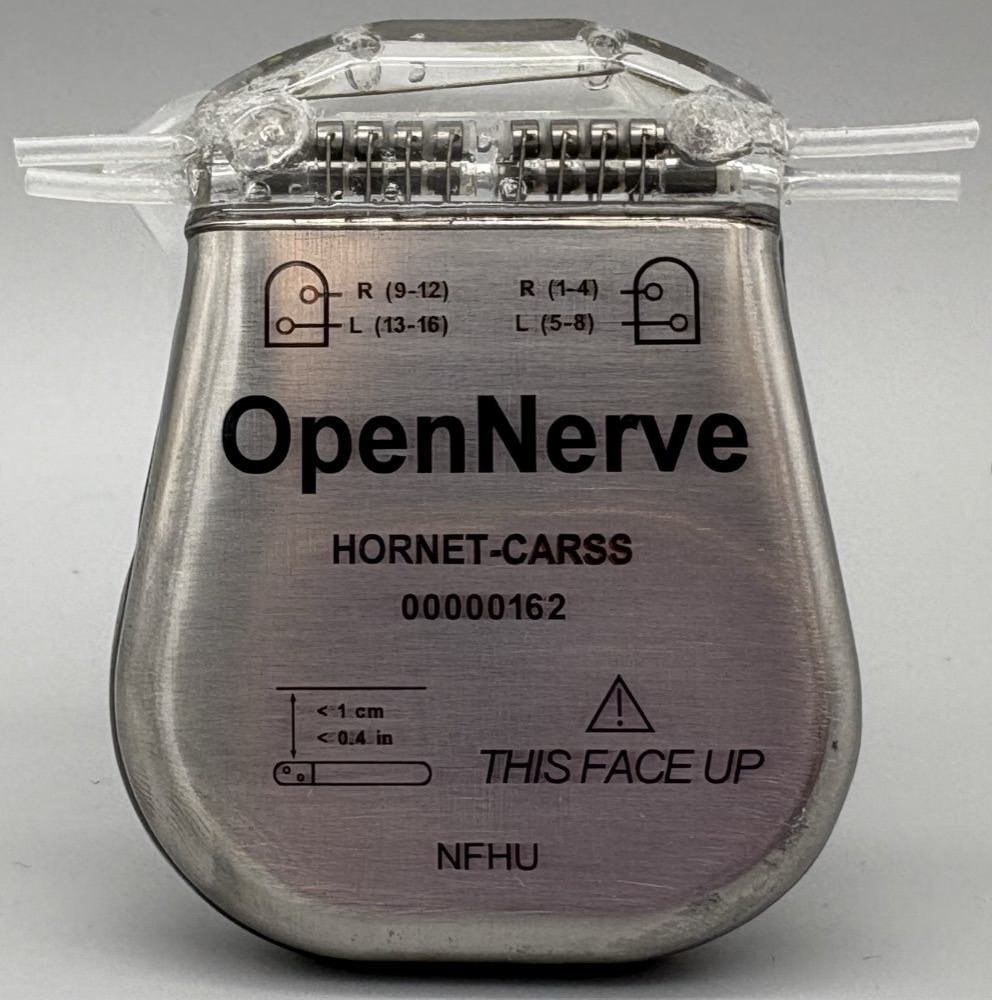
The OpenNerve platform
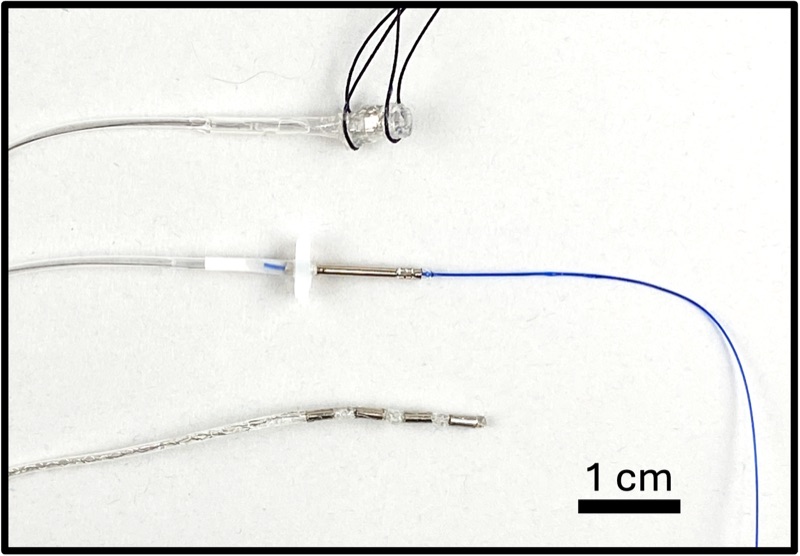
The core implantable pulse generator (IPG) or equivalent development board provides current-driven stimulation (square waves up to 1.2kHz, low frequency sine waves 1-15 Hz), records analog biosignals such as EMG, ECG, and eCAPs, and has digital in-body communication for advanced biosensors or networked devices. Several stimulation / recording leads and digital sensors are being developed by OpenNerve, or researchers are welcome to bring their own leads (Bring your own leads). Bluetooth Low Energy (BLE) allows real-time data streaming and control; a custom inductive charger allows safe recharging.
Click on each component for documentation and open source code / engineering files.
Outside the body
Control software
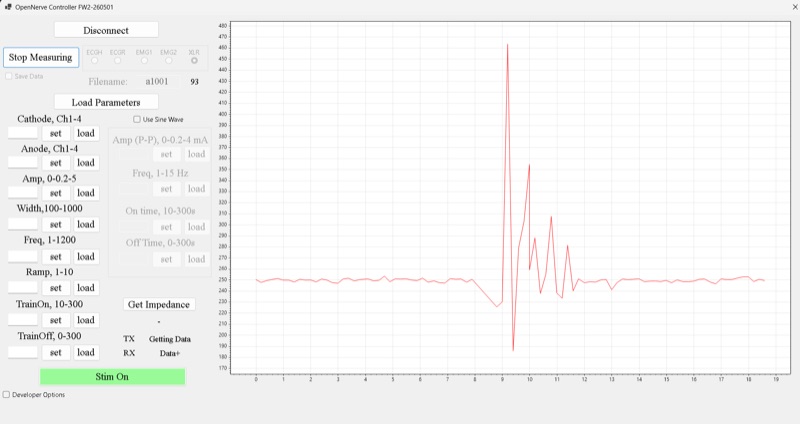 Windows app
 Android appin development
BLE
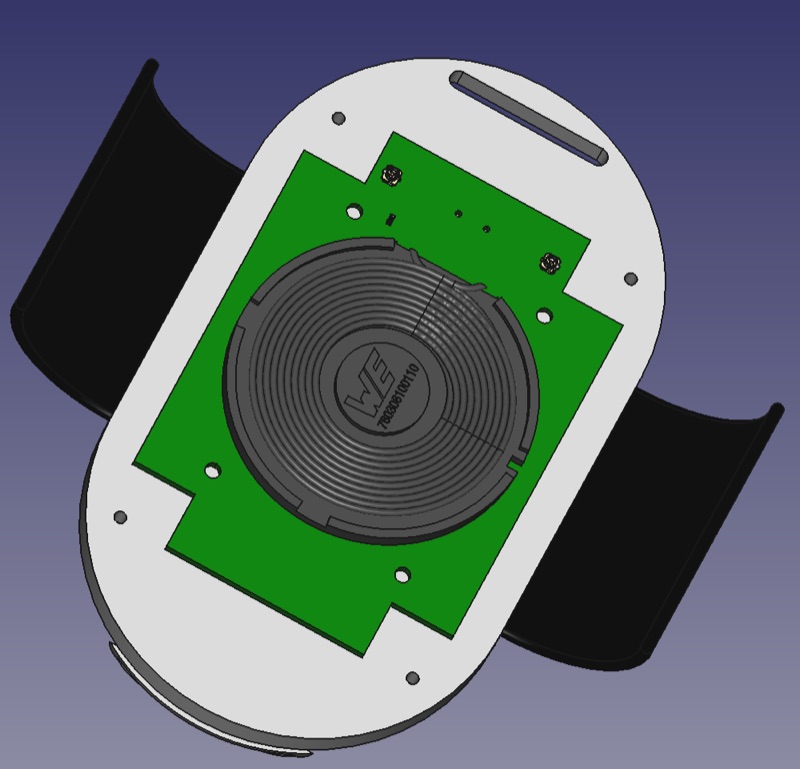
inductive
skin
Inside the body
stim / record
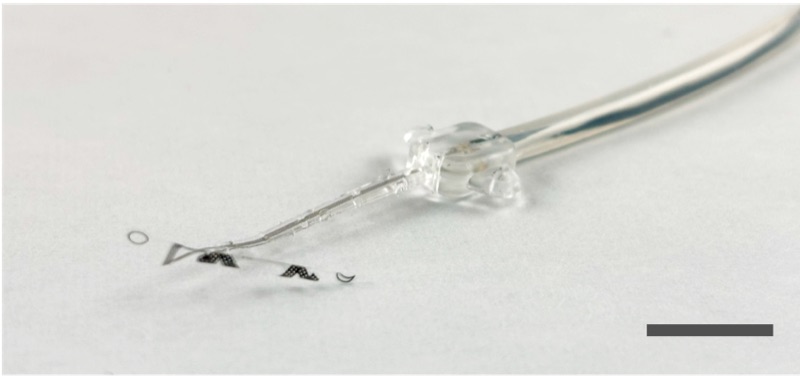
I2C
Sensors
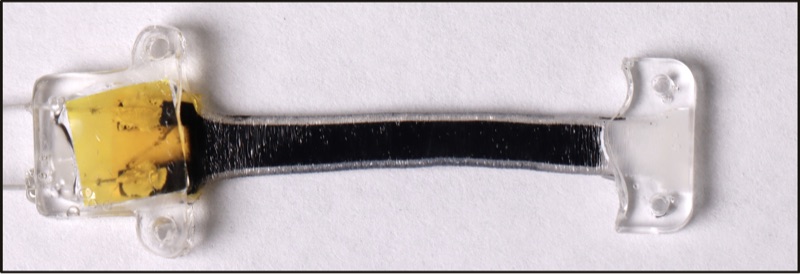 Mechanical Sensors
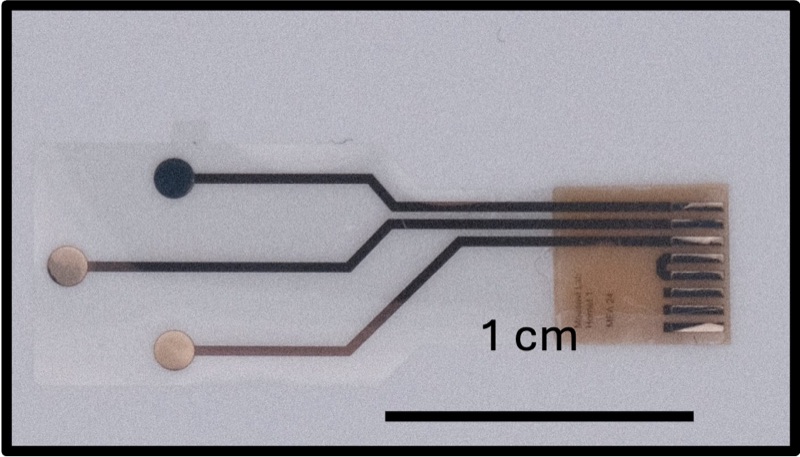 Chemical Sensors
How to work with OpenNerve
Learn more about OpenNerve and explore the components and documentation.
Contact us for development boards and hardware collaboration, or create your own system using our open-source files.
Contribute to OpenNerve, get technical support, and make neuroscience better. Hardware, firmware, software, and documentation all take contributions.
Development boards
A genuine OpenNerve PCBA in a frame enabling USB-C power and control, as well as built-in BLE communication for easy experimental setup. Breakouts on all 16 feedthrough contacts for easy lab use, and JTAG/SWD headers for flashing and debugging. Real hardware for firmware, software, and lead development, or for small-animal and acute large-animal studies.
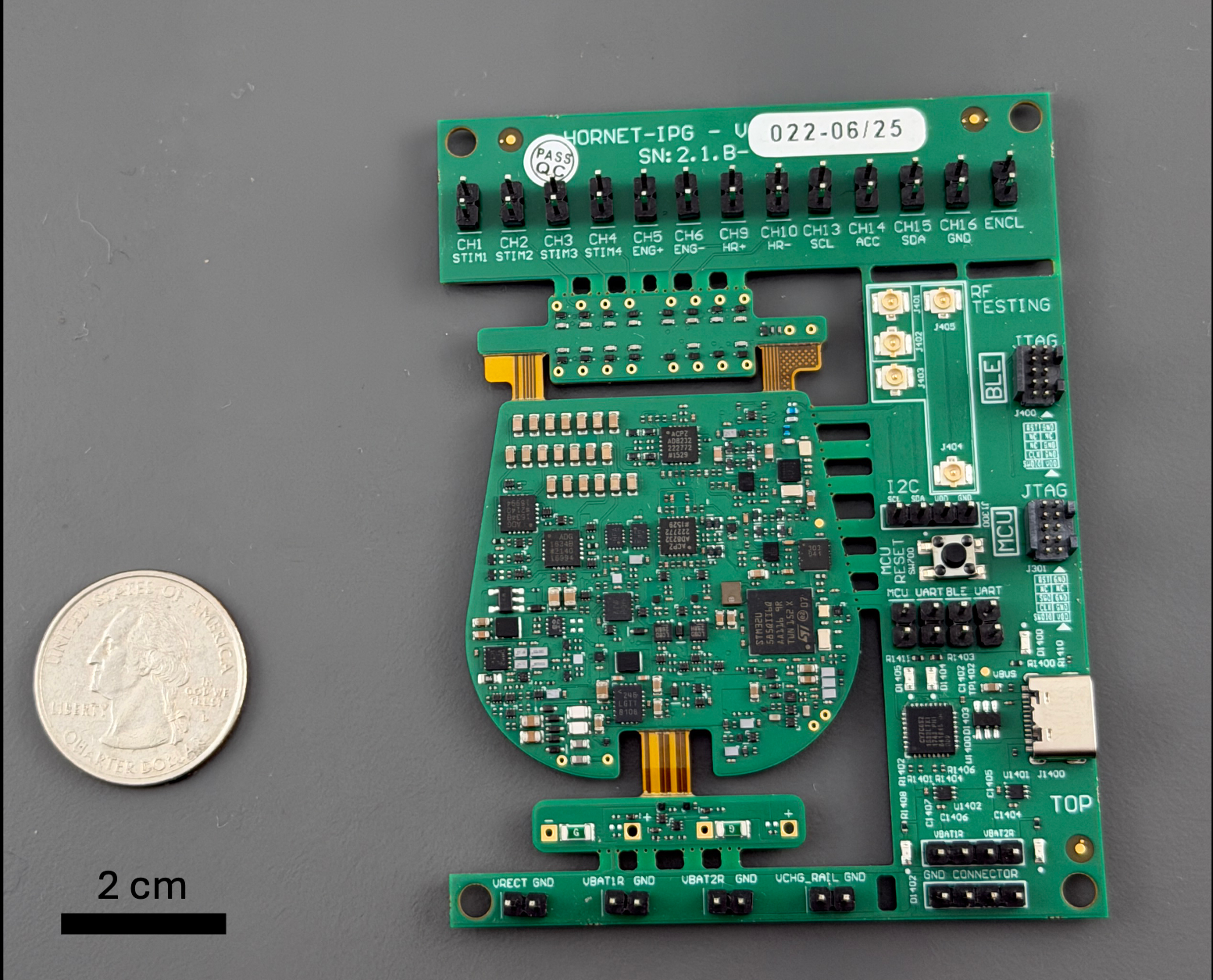
OpenNerve Gen2 development board in frame, with header pins for stimulation and sensing channels, USB-C power and BLE or USB-C communication, and JTAG pins for debugging.